The ads, hooks, and angles behind the work.
Every piece below started as a research problem, not a design one. Here's the angle each concept was built on and the objection it was written to clear.
Dubby Energy: five static ads, five different ways in.
A spec creative package built for Dubby, a gaming-focused energy powder. Same product, same audience. Five separate angles, each one written to clear a different reason someone doesn't buy.
Ad-by-ad breakdown
Tap any ad to open it full size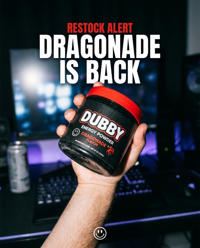 01: Urgency
Restock alert
- The angle
- Treat a flavor drop like a limited release. The ad lands the moment stock returns, so scarcity does the persuading instead of a discount.
- Why it works
- Buyers who already wanted the flavor don't need convincing, only a deadline. Urgency creative like this converts warm audiences without eroding margin.
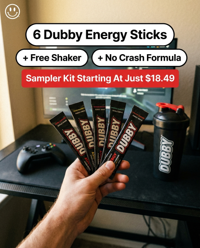 02: Offer stack
Sampler kit
- The angle
- Make the first purchase small. Six sticks, a free shaker, and the no-crash promise stacked into one $18.49 entry offer instead of asking a stranger to commit to a full tub.
- Why it works
- Cold traffic isn't buying a large format from a brand it has never tried. A low-priced sampler turns the decision into a cheap experiment, and the shaker gives the buyer a reason to reorder.
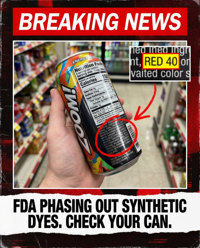 03: News-bait
The ingredient story
- The angle
- Take an ingredient story already circulating about a competitor and frame it as news, so the ad reads like something worth knowing rather than something being sold.
- Why it works
- Editorial framing buys attention in a feed trained to skip ads, and the product becomes the obvious answer to the problem the headline just raised.
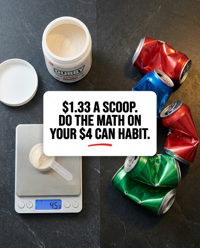 04: Price objection
Cost per scoop
- The angle
- Reframe the sticker price as a per-serving cost and set it against the daily canned-drink habit the buyer is already paying for.
- Why it works
- The comparison moves the decision from "is this expensive?" to "which one is cheaper?" The math already answers that one.
 05: Social proof
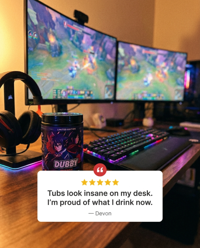
Five-star review
- The angle
- Let a real buyer make the claim. The review is pulled forward as the headline instead of being buried as a trust badge near the CTA.
- Why it works
- A customer's words carry claims the brand can't make itself, which makes this a reliable retargeting piece for shoppers who stalled at checkout.
Ads built to fill a calendar, not a cart.
The same angle-first process applied to booking calls. These are the ads I run for my own creative strategy offer.
Ad-by-ad breakdown
Tap any ad to open it full size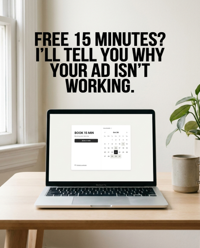 01: Curiosity
The 15-minute diagnosis
- The angle
- Lead with the question the prospect is already asking (why isn't this ad working?) and make the answer a short, low-commitment call.
- Why it works
- A 15-minute ask is small enough to say yes to on impulse, so the ad qualifies interest before anyone has to talk about price.
 02: Pain-led
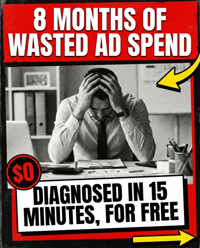
Months of wasted spend
- The angle
- Same offer, sharper pain. This variant names the cost of doing nothing so it lands with accounts already burning real budget.
- Why it works
- Running it against the softer version is the point: one offer, two emotional entry points, and the data decides which audience responds to which.
Pique Carrara: a long-form advertorial that sells the deadline, not the product.
A spec advertorial written for Pique's Carrara marine collagen. The reader has already bought collagen, twice or three times over, and quit. So the piece doesn't argue that collagen works. It argues that she stopped eleven days too early.
Opens the full advertorial, or open the PDF in a new tab.
How the piece is built
Tap any beat to read the full advertorial"Quitting 11 days too early"
- The angle
- Put a number on the failure. She quit around day 19; the research needs 30. The headline hands her a reason that isn't "you weren't disciplined enough."
- Why it works
- A specific, oddly precise number reads as information rather than a claim, and it makes the reader do the subtraction herself, which is the moment she starts arguing on the ad's side.
The cabinet she won't open
- The angle
- Open on a physical object (three tubs of collagen, two half-full, one still sealed) instead of on the product or a promise.
- Why it works
- The cabinet is the reader's own guilt, described before she has to admit to it. Recognition earns the next paragraph, and the object gets called back at the close.
Three tubs, three product problems
- The angle
- Audit each failure out loud: one smelled like fish, one clumped into knots, one turned a friend's coffee to gravy. None of them is a problem with collagen.
- Why it works
- It moves the blame off the reader and onto the format, then quietly turns taste and mixability, not a proprietary claim, into the reason this product is different.
It works on a deadline, not a dose
- The angle
- Cite the research where it actually lands: a 2023 review pooling 26 trials and 1,700+ people, with skin results measured at the six-to-eight-week mark. Then the product detail: Type II from salmon nasal cartilage, into a matcha she already makes every morning.
- Why it works
- Evidence arrives after the reader is invested, so it confirms a story instead of opening an argument. And the "no new habit" framing removes the only thing she has ever actually failed at.
Nails, then "you look rested"
- The angle
- Escalate through small, unglamorous evidence (nails that stopped peeling at week four, a sister who asks "did you do something?", faded microbladed brows coming back) before the payoff anyone actually wants.
- Why it works
- Nobody buys collagen for their fingernails, which is exactly why the detail is believable. The strange, unexplained beat is the one readers repeat, and it buys credit for the claims that matter.
90 days against 13 weeks
- The angle
- Do the math out loud: the guarantee is 90 days, the results need about eight weeks, so the window covers the whole test. Then two futures: the cabinet stays as it is, or she finally finds out.
- Why it works
- Price was never the real objection; being wrong a fourth time was. Framing the guarantee as permission to find out retires that fear without discounting the product.
Client performance figures are covered by NDA, so what's shown here is the creative and the strategy behind it. If you want proof on your own account, the Ad Reanimator is the fastest way to get it: send me the ad that fatigued out, I'll write the advertorial it needs, and if it doesn't cover its own ad spend you pay nothing.
Want work like this running on your account?
Book a free creative audit. If the advertorial doesn't cover its own ad spend, you pay nothing.
Book a Free Creative Audit